Miguela Script: A Fresh Typeface for Editorial Design
In the fast-paced world of digital publishing, visual hierarchy is not just an aesthetic choice; it is a functional necessity. Readers scan content before they commit to reading it, and the typography you choose acts as the first handshake with your audience. For publishers, bloggers, and editorial designers who rely on creating engaging, well-structured content, finding the right display font can transform a standard layout into a compelling brand experience. This is where Miguela Script enters the conversation. As a casual, fresh script from the Script Amp collection, it offers a dynamic flow that allows creators to craft amazing lettering typography in an instant, bridging the gap between professional polish and approachable warmth.
The Visual Personality of Miguela Script
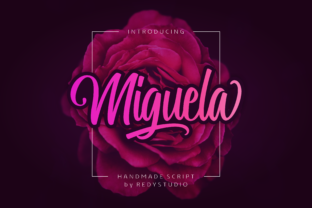
Miguela Script is defined by its organic rhythm. Unlike rigid, geometric typefaces that can feel cold or overly corporate, this font carries the natural imperfections and fluidity of handwritten text. It is a script font that mimics the movement of a pen across paper, providing a sense of immediacy and human connection. For editorial design, this personality is invaluable. It suggests authenticity, creativity, and a personal touch, which are qualities highly sought after in lifestyle blogs, independent magazines, and creator-led newsletters.
The "dynamic flow" mentioned in its description refers to the way the letters connect and transition. This continuity creates a visual line that guides the eye smoothly across the page. When used in logo design or publication branding, this flow helps establish a memorable identity. It is not just a set of characters; it is a stylistic statement that says your content is curated, thoughtful, and designed with care. Whether you are designing a cover for a digital magazine or a header for a weekly newsletter, Miguela Script adds a layer of sophistication without sacrificing accessibility.
Enhancing Editorial Layouts and Visual Hierarchy
One of the primary challenges in editorial design is balancing attention-grabbing elements with readable body copy. Miguela Script excels as a display font, meaning it is best suited for titles, subtitles, pull quotes, and section headings rather than long-form text. Using a script font for body copy can strain the reader’s eyes, especially on mobile devices or low-resolution screens. However, when used strategically for accents, it creates a powerful contrast that breaks up dense text and invites the reader to pause and engage.
Consider the layout of a lifestyle blog or a recipe ebook. The body text might be a clean, highly legible serif font or a neutral sans serif font. By pairing this with Miguela Script for chapter openers or ingredient headers, you create a clear visual distinction. The script draws attention to key sections, acting as a signpost for the reader. In printable guides and worksheets, such as coaching workbooks or wedding planners, this font can be used for inspirational quotes or decorative dividers, adding a premium feel to otherwise utilitarian documents.
Practical Applications for Content Creators
The versatility of Miguela Script makes it a valuable asset across various media formats. Here are several ways publishers and designers can integrate this typeface into their workflow:
- Blog Headers and Social Media Graphics: Use the font for featured image text or Instagram story overlays. Its casual nature performs well in social media environments where authenticity drives engagement.
- Ebook Covers and Chapter Titles: For fiction or self-help ebooks, a script font on the cover can evoke emotion and intrigue. Inside, use it for chapter numbers or introductory phrases to maintain a consistent thematic tone.
- Newsletter Branding: In email marketing, particularly for paid newsletters or curated digests, using Miguela Script for the publication name or section headers can reinforce brand identity and make the email feel like a personalized letter rather than a mass broadcast.
- Printable Planners and Lead Magnets: When designing PDF resources, such as budget trackers or meal planners, use the font for titles and motivational sidebars. It adds a decorative element that increases the perceived value of the free or paid download.
- Pull Quotes in Articles: Break up long articles by highlighting key sentences in Miguela Script. This not only improves readability by providing visual rest points but also emphasizes the most important takeaways for skimming readers.
Readability and Technical Considerations
While the aesthetic appeal of a handwritten font is strong, practical application requires attention to technical details. When using Miguela Script for web design or digital publications, ensure that the font size is large enough to be legible on smaller screens. Script fonts generally require more white space around them to prevent visual clutter. In PDF exports for print, check that the resolution is high enough to preserve the smooth curves of the letters, avoiding pixelation that can detract from the premium look.
Another critical aspect is font pairing. To maintain a professional editorial standard, pair Miguela Script with a typeface that offers high readability. A classic serif font works well for traditional magazines and books, providing a literary feel. For modern blogs and tech-focused newsletters, a clean sans serif font creates a contemporary contrast. The key is balance: let the script font be the star, and let the supporting font do the heavy lifting of information delivery.
Licensing and Commercial Use
For professional designers and content creators, understanding licensing is paramount. Miguela Script is a commercial font, which means it is suitable for use in client projects, sold digital products, and branded materials. Whether you are creating a template for sale on a marketplace, designing packaging for a product, or building a brand identity for a startup, ensuring you have the correct license protects your work and respects the designer’s intellectual property. Always verify the specific terms included with the Script Amp package, particularly regarding webfont usage if you plan to embed the font directly into a website via CSS.
In conclusion, Miguela Script is more than just a decorative element; it is a tool for enhancing communication. By adding a human, handwritten touch to digital and print layouts, it helps publishers and creators build a stronger emotional connection with their audience. When used with intention and paired wisely, it elevates editorial design, making content not only easier to navigate but also more enjoyable to experience. For those looking to refresh their visual identity or add a touch of elegance to their next project, this modern typography option offers a perfect blend of style and function.